
First published January 25, 2026 by Cheese & Jam
Introduction
Miscarriage is first and foremost a profound physical and emotional trauma for women. It happens in her body. She carries the pain, the medical procedures, the hormonal aftermath, and the visible loss. That truth must never be softened or disputed.
But alongside her, there is often another quiet casualty—one who is rarely acknowledged.
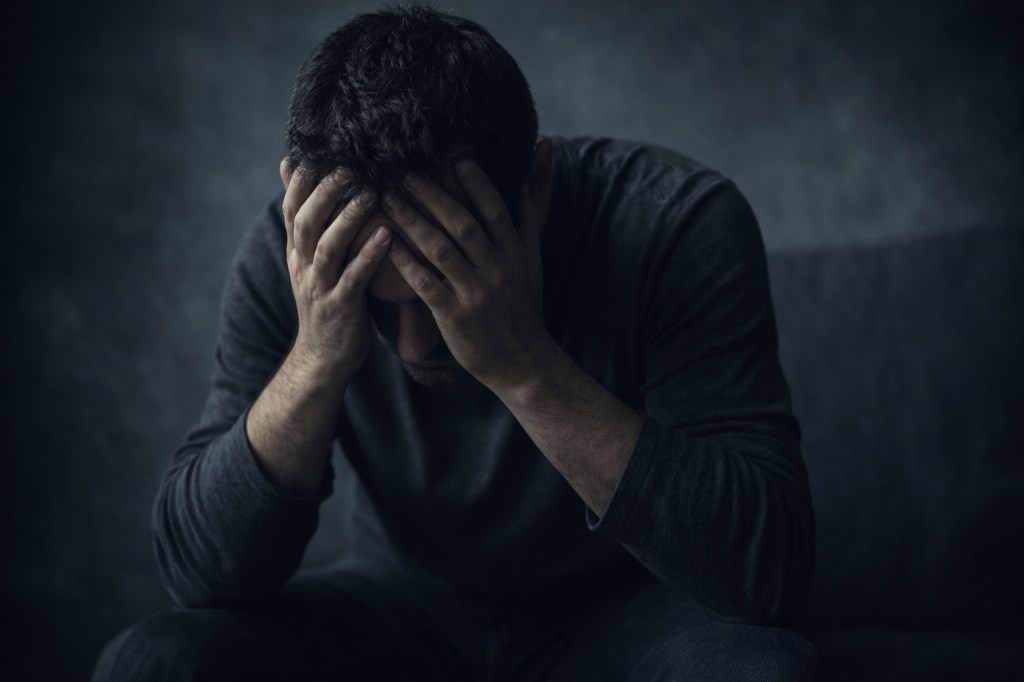
Men experience miscarriage differently, but not insignificantly. Their grief is frequently unseen, unspoken, and unsupported. While women endure the loss directly, many men are left holding helplessness, fear, guilt, and heartbreak—while feeling they have no right to express it.
This silence has consequences.
A Different Kind of Loss
For many men, miscarriage represents the loss of:
💭A future they had already imagined
💙A role they were preparing to step into
♂️♀️A part of themselves that had already begun to exist
While they may not experience the physical loss, the emotional attachment can be real and immediate. Some men bond with the idea of fatherhood early—naming the baby in their minds, picturing life ahead, quietly planning.
When the loss occurs, that future vanishes overnight.
Watching the Person You Love Suffer
One of the most distressing aspects for men is watching their partner endure pain they cannot fix.
Men are often conditioned to protect, solve, and shield. Miscarriage strips them of all three roles at once.
They may:
⚡Feel powerless watching physical pain and emotional devastation
⚡Carry guilt for not being able to “make it better”
⚡Suppress their own grief to stay strong for her
Many men believe that expressing their pain would:
📌Take attention away from her suffering
📌Appear selfish
📌Be seen as inappropriate or weak
So they swallow it.
The Impact of Silence
When men do not process miscarriage grief, it can surface in other ways:
🟣Emotional withdrawal
🟣Irritability or anger
🟣Anxiety or depression
🟣Avoidance of future pregnancy discussions
🟣Strained relationships
Unacknowledged grief does not disappear—it redirects.
And when men are told, implicitly or explicitly, that this isn’t their grief to claim, they are left to carry it alone.
This Is Not a Competition of Pain
Acknowledging men’s emotional response to miscarriage does not diminish women’s trauma.
It recognises that:
- Loss can affect two people differently but deeply
- Grief does not require identical experiences to be valid
- Healing is stronger when both partners are supported
Women deserve compassion, care, and recognition for what they endure.
Men deserve permission to grieve without shame.
Both truths can—and must—exist together.
Why This Conversation Matters
When men are allowed space to process miscarriage:
🌱Relationships heal more effectively
🌱Emotional intimacy deepens rather than fractures
🌱Long‑term mental health outcomes improve
Ignoring men’s grief does not protect women—it often isolates both.
Conclusion
Miscarriage changes lives. It reshapes bodies, futures, identities, and relationships.
Women carry the loss physically.
Men often carry it silently.
If we want healthier families, healthier relationships, and healthier men, we must stop treating male grief as an inconvenience or an afterthought.
Loss does not discriminate by gender—but support often does.
Grief shared is not grief diminished.
It is grief given room to heal.
 Cheese & Jam
Leave a comment